
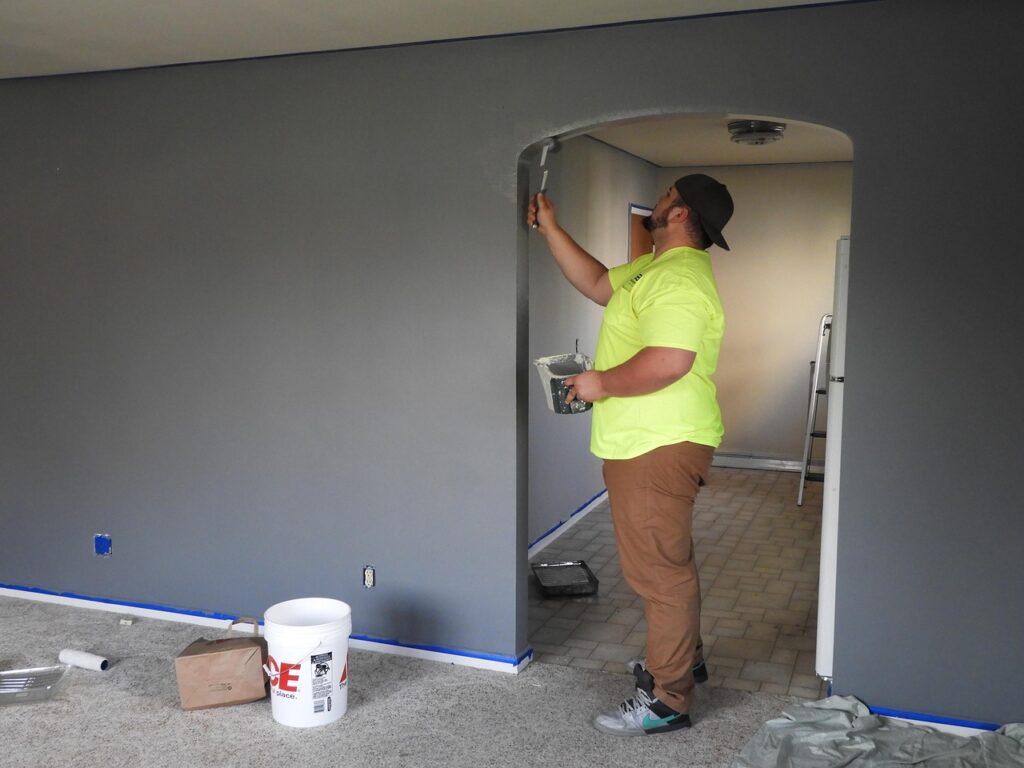
Home improvement and services represent a significant sector in the global economy, driven by homeowners’ desire for comfort, efficiency, safety, and aesthetic appeal. Beyond aesthetics, home improvement projects enhance property value, energy efficiency, and functionality, making them a key aspect of real estate investment and personal wealth management.
The home improvement industry spans renovations, remodeling, repairs, maintenance, landscaping, energy efficiency upgrades, interior design, and smart home technology integration. It encompasses a wide array of professionals and service providers, including contractors, electricians, plumbers, interior designers, architects, landscapers, and specialized trades.
In addition to physical upgrades, homeowners increasingly seek services that simplify maintenance, improve energy efficiency, enhance security, and incorporate technology. Modern trends, including sustainable living, smart homes, DIY culture, and aging-in-place modifications, have transformed the sector into a sophisticated, multifaceted industry.
This article explores home improvement and services in depth, covering renovation trends, strategic planning, budgeting, DIY versus professional services, technological integration, sustainability, smart home solutions, regional market insights, and future industry outlook.
Part 1: Understanding Home Improvement
Definition and Scope
Home improvement refers to activities that enhance the functionality, comfort, aesthetic appeal, or value of a residential property. It includes:
- Renovation: Updating or modernizing existing structures.
- Remodeling: Altering the structure or layout of a space.
- Maintenance: Routine repairs and upkeep.
- Enhancements: Adding new features or technologies.
- Landscaping: Improving outdoor living spaces.
Services in this sector may be contracted, subscription-based, or DIY-driven.
Importance of Home Improvement
Home improvement delivers multiple benefits:
- Increased property value: Strategic renovations can significantly boost resale prices.
- Enhanced comfort: Upgraded interiors, better lighting, and ergonomic designs improve living quality.
- Energy efficiency: Smart HVAC systems, insulation, and solar panels reduce energy costs.
- Safety and compliance: Regular maintenance prevents hazards and ensures compliance with building codes.
- Personalization: Custom design reflects personal taste and lifestyle preferences.
Part 2: Home Improvement Categories
Kitchen Renovations
The kitchen is often considered the heart of a home. Key improvements include:
- Countertop replacement (granite, quartz, or solid surface)
- Cabinet refacing or custom cabinetry
- Energy-efficient appliances
- Smart kitchen devices (sensors, connected ovens, automated coffee makers)
- Lighting and ventilation upgrades
Kitchen remodeling offers some of the highest ROI (Return on Investment) among home renovations.
Bathroom Renovations
Bathroom updates enhance both comfort and property value:
- Walk-in showers and freestanding tubs
- Dual-flush and low-flow toilets for water efficiency
- Smart mirrors, faucets, and heated flooring
- Improved lighting and ventilation
- Storage optimization
Bathrooms are a high-ROI area because functionality and style directly impact buyers’ perception.
Living and Bedroom Upgrades
Key home improvements in living areas and bedrooms include:
- Flooring (hardwood, laminate, or luxury vinyl)
- Built-in storage solutions
- Repainting and accent walls
- Modern lighting and ceiling fans
- Smart home integration (thermostats, speakers, security cameras)
These spaces contribute to comfort and the home’s aesthetic appeal.
Exterior Renovations
Curb appeal significantly influences property value:
- Roof replacement or repair
- Siding upgrades (vinyl, fiber cement, or wood)
- Windows and doors replacement for energy efficiency
- Landscaping, fencing, and outdoor lighting
- Driveways, patios, and decks
Exterior improvements are essential for first impressions and long-term property preservation.
Basement and Attic Remodeling
Converting underutilized spaces into functional areas increases livable square footage:
- Home offices or study areas
- Recreation rooms and home theaters
- Additional bedrooms or guest suites
- Storage optimization
- Energy efficiency and moisture control
Properly remodeled basements and attics can dramatically enhance property value.
Energy Efficiency and Sustainability
Sustainable improvements are increasingly important:
- Solar panel installation
- Insulation upgrades
- Energy-efficient HVAC systems
- LED lighting retrofits
- Smart thermostats and home energy management systems
Sustainability not only reduces environmental impact but also cuts utility bills and increases resale value.
Part 3: Planning a Home Improvement Project
Needs Assessment
Identify priorities:
- Safety and structural repairs
- Functional upgrades (kitchen, bathroom, HVAC)
- Aesthetic improvements
- Energy efficiency and sustainability
Understanding needs ensures strategic use of resources.
Budgeting and Cost Estimation
Key steps include:
- Determining available budget
- Researching average costs per project type
- Allocating contingency funds (10–20%)
- Considering financing options (personal loans, HELOCs, government incentives)
Cost estimation software and contractor quotes help set realistic expectations.
Choosing Between DIY and Professional Services
DIY Advantages
- Cost savings
- Personal satisfaction and customization
- Flexibility in project timeline
DIY Challenges
- Skill limitations
- Risk of mistakes and injury
- Lack of warranty and professional certification
Professional Services Advantages
- Expertise and efficiency
- Compliance with building codes
- Warranty and liability coverage
- Access to specialized tools and materials
Decision depends on skill level, project complexity, and risk tolerance.
Project Timeline and Scheduling
- Prioritize projects based on urgency and ROI
- Consider seasonality for exterior work (roofing, landscaping)
- Factor in lead times for materials and contractor availability
- Plan for contingencies
Proper scheduling minimizes delays and cost overruns.
Part 4: Selecting Materials and Technology
Material Selection
Key considerations:
- Durability: Long-lasting and low-maintenance materials
- Aesthetics: Harmonization with home style
- Cost: Budget vs. long-term value
- Sustainability: Recycled, energy-efficient, or low-emission options
Popular materials include hardwood flooring, quartz countertops, energy-efficient windows, and composite decking.
Smart Home Technology
Smart home integration is growing rapidly:
- Security systems: Cameras, smart locks, motion sensors
- Climate control: Smart thermostats, HVAC automation
- Lighting: Automated and programmable LED lighting
- Appliances: Connected refrigerators, ovens, and washers
- Voice assistants: Centralized control via Alexa, Google Assistant, or Apple HomeKit
Smart home upgrades increase both convenience and property value.
Part 5: Safety and Compliance
Building Codes and Permits
Compliance is essential for legal and safety reasons:
- Structural safety and load-bearing requirements
- Electrical wiring standards
- Plumbing and water management codes
- Fire safety and emergency exits
Failure to comply can result in fines, insurance issues, and resale complications.
Hazard Prevention
Key safety measures:
- Smoke and CO2 detectors
- Fire extinguishers and sprinklers
- Childproofing and slip-resistant surfaces
- Mold and pest control
- Asbestos and lead paint mitigation in older homes
Safety improvements protect inhabitants and property value.
Part 6: Maintenance Services
Routine Home Maintenance
Regular upkeep prevents major issues:
- HVAC servicing and filter replacement
- Roof inspection and gutter cleaning
- Plumbing inspections and leak repairs
- Exterior paint touch-ups
- Lawn care and landscaping
Scheduled maintenance reduces long-term repair costs.
Seasonal Services
- Winterizing HVAC and plumbing
- Gutter cleaning in fall
- Spring lawn and garden preparation
- Storm preparedness (roof, siding, windows)
Seasonal maintenance prevents costly damage.
Specialized Home Services
- Pest control
- Pool maintenance
- Chimney cleaning
- Septic system inspection
- Appliance servicing
Specialized services extend equipment lifespan and maintain home value.
Part 7: Landscaping and Outdoor Living
Hardscaping
- Patios, walkways, driveways
- Retaining walls and fencing
- Outdoor kitchens and fire pits
Hardscaping increases usability and property appeal.
Softscaping
- Lawn and garden care
- Trees, shrubs, and flower beds
- Irrigation and drainage systems
Healthy landscaping enhances aesthetics and environmental sustainability.
Outdoor Lifestyle Features
- Decks, pergolas, and gazebos
- Swimming pools and hot tubs
- Outdoor lighting and sound systems
- Play areas and sports facilities
Outdoor improvements contribute to enjoyment and long-term property value.
Part 8: Renovation Trends
Open-Concept Living
Removing walls to create open spaces enhances:
- Natural light
- Flow and functionality
- Social interaction
Popular in modern kitchen-living combinations.
Minimalist and Functional Design
- Clean lines, neutral colors, and clutter-free layouts
- Multi-functional furniture and storage solutions
Minimalism is increasingly valued for its calming aesthetics.
Sustainable Design
- Energy-efficient lighting and appliances
- Water conservation measures
- Eco-friendly materials
- Solar power and renewable energy integration
Sustainability is both trend-driven and cost-saving long-term.
Aging-in-Place Modifications
- Walk-in showers, ramps, and grab bars
- Wider doorways for accessibility
- Adjustable countertops and cabinetry
- Smart sensors for fall detection
Essential for seniors and multigenerational households.
Part 9: Financing Home Improvement
Personal Financing Options
- Personal loans
- Home equity lines of credit (HELOC)
- Credit cards (short-term, high-interest)
- Savings and investment liquidations
Government Incentives and Rebates
- Energy-efficient appliance rebates
- Solar panel tax credits
- Home renovation grants in some regions
Contractor Financing Programs
Many service providers offer payment plans or financing for large projects, spreading costs over months or years.
Part 10: ROI and Property Value Enhancement
High-ROI Home Improvement Projects
- Kitchen remodels: 60–80% ROI
- Bathroom upgrades: 50–70% ROI
- Exterior improvements: 50–75% ROI
- Energy-efficient systems: 40–60% ROI
ROI varies by market, quality of work, and project scale.
Cosmetic vs Structural Improvements
- Cosmetic: Painting, flooring, minor updates; quick ROI
- Structural: Roof replacement, additions, HVAC upgrades; long-term value
Balanced investment across cosmetic and structural improvements maximizes returns.
Part 11: Choosing Contractors and Service Providers
Vetting and Selection
- Verify licenses, insurance, and certifications
- Review references and past projects
- Compare multiple quotes
- Assess professionalism and communication
Contracting Best Practices
- Detailed written contracts
- Clear scope of work and timelines
- Payment schedule tied to milestones
- Warranties and liability coverage
Managing Contractor Relationships
- Regular progress updates
- Open communication
- Flexibility for unforeseen issues
- Documenting approvals and changes
Part 12: Technology’s Impact on Home Improvement
Home Improvement Apps and Platforms
- Design visualization (SketchUp, Home Design 3D)
- Project management (Houzz, Thumbtack)
- Material estimation and cost calculators
Smart Home and Automation Integration
- Energy management systems
- Security monitoring
- Lighting, climate, and appliance control
AI and Virtual Reality
- Virtual tours of remodels
- AI-driven design suggestions
- Predictive maintenance analytics
Technology enhances planning, efficiency, and customization.
Part 13: Regional and Market Trends
North America
- High demand for energy-efficient renovations
- Smart home technology adoption
- Aging-in-place modifications growing
Europe
- Sustainability and eco-friendly materials prioritized
- Historic home preservation
- Modular and compact living solutions
Asia-Pacific
- Rapid urbanization driving remodeling and vertical living solutions
- Smart home penetration increasing
- Space optimization in dense urban areas
Latin America and Middle East
- Middle-income housing renovations
- Luxury home improvements in urban centers
- Solar energy and water management gaining popularity
Part 14: Challenges in Home Improvement
- Budget overruns
- Contractor delays and reliability
- Material shortages and cost fluctuations
- Regulatory compliance and permitting issues
- Balancing aesthetics, functionality, and ROI
- Integration of new technology
Successful planning and contingency preparation mitigate risks.
Part 15: Future of Home Improvement & Services
Sustainable and Green Homes
- Net-zero energy homes
- Renewable energy integration
- Water and waste management technologies
Smart Home Integration
- Fully connected ecosystems
- AI-enabled predictive maintenance
- Voice-controlled home automation
Modular and Prefabricated Construction
- Faster construction timelines
- Cost reduction and waste minimization
- Scalable and customizable designs
Aging-in-Place and Accessibility Solutions
- Adaptive home technologies
- Universal design principles
- Multigenerational living solutions
Online Service Platforms and Marketplaces
- On-demand home services
- Contractor rating and review systems
- Virtual project planning and design
Conclusion
The home improvement and services sector has evolved far beyond simple cosmetic upgrades. It encompasses a complex ecosystem of renovations, remodeling, maintenance, energy efficiency, technology integration, landscaping, and specialized services. Strategic home improvements enhance comfort, safety, aesthetics, and property value, while effective planning, budgeting, and contractor management ensure successful outcomes.
Emerging trends in sustainability, smart homes, digital platforms, and aging-in-place modifications are transforming the industry. Homeowners who embrace innovation, prioritize ROI, and adopt a proactive approach to maintenance and upgrades can maximize their property’s value while improving their quality of life.
Whether pursuing DIY projects, engaging professional services, or integrating cutting-edge smart technology, home improvement is a dynamic field that combines creativity, strategy, and long-term financial planning. The future of this sector will continue to evolve with technology, environmental considerations, and changing homeowner expectations, making it an exciting and essential aspect of residential life.
